If you've noticed your vision becoming cloudy or found yourself struggling to see clearly at night, you might be experiencing the early signs of cataracts. These changes can be gradual and easy to dismiss, but recognizing cataract symptoms early gives you more control over your treatment options and helps preserve your quality of life.
Cataracts are one of the most common age-related vision conditions, affecting millions of Americans each year. While the prospect of losing clear vision can feel overwhelming, understanding what cataracts are, how they develop, and what modern treatment options can accomplish makes the journey much less daunting.
What Are Cataracts?
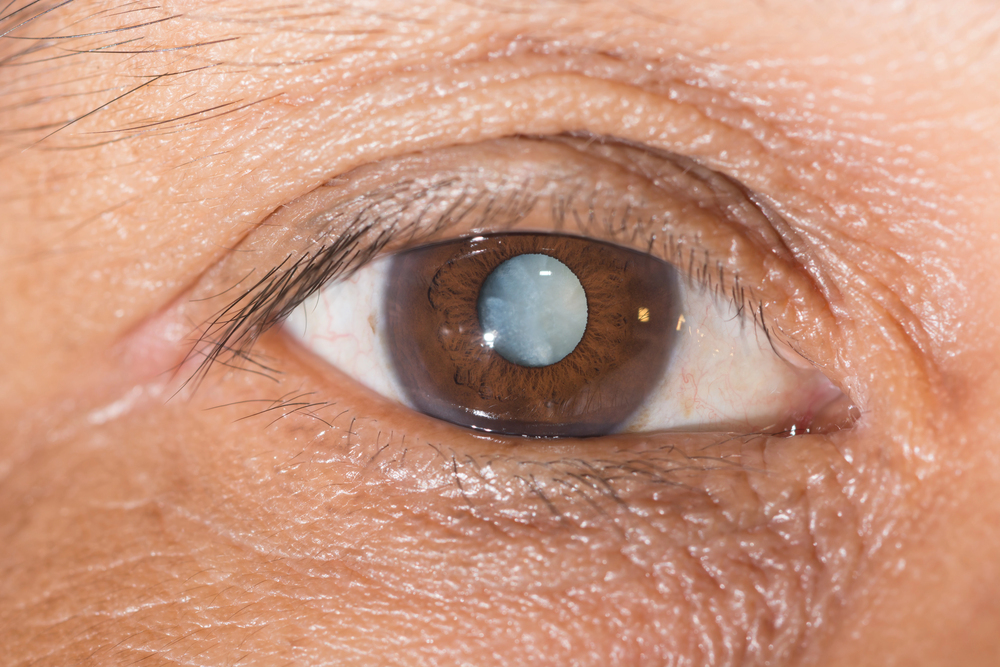
A cataract is a clouding of the eye's natural lens, which sits behind the iris and pupil. The lens works like a camera lens, focusing light onto the retina at the back of the eye to create clear images. When cataracts develop, proteins in the lens begin to break down and clump together, creating cloudy areas that block or scatter light.
Think of it like looking through a foggy window. At first, you might only notice a slight haze, but as the cataract progresses, the cloudiness increases until it significantly interferes with daily activities like reading, driving, or recognizing faces.
Cataracts typically develop in both eyes, though not always at the same rate. One eye may be noticeably more affected than the other, which can create visual imbalances and depth perception issues.
The condition is extremely common. By age 80, more than half of all Americans either have a cataract or have had cataract surgery. While cataracts are primarily associated with aging, they can develop at any age due to injury, certain medications, or other health conditions.
Causes and Risk Factors
Age is the primary risk factor for cataracts. As we get older, the proteins in the eye's lens naturally begin to break down. However, several other factors can accelerate cataract development or increase your risk:
Ultraviolet radiation: Prolonged exposure to sunlight without UV-protective eyewear damages lens proteins over time. People who spend significant time outdoors without sunglasses face higher cataract risk.
Smoking: Tobacco use doubles the risk of cataract development and causes cataracts to progress more quickly. The toxins in cigarette smoke create oxidative stress in the eye's lens.
Diabetes: High blood sugar levels cause changes in the lens that lead to cataract formation. Diabetic patients often develop cataracts at younger ages and experience faster progression.
Eye trauma: A blow to the eye, penetrating injury, or exposure to intense heat can damage the lens and trigger cataract development, sometimes years after the initial injury.
Corticosteroid medications: Long-term use of steroid medications, whether oral, inhaled, or topical, increases cataract risk. The risk grows with higher doses and longer treatment duration.
Previous eye surgery: Procedures for other eye conditions can sometimes lead to cataract formation as a secondary complication.
Family history: Genetics play a role in cataract development. If your parents or siblings developed cataracts, your risk increases.
Excessive alcohol consumption: Heavy drinking has been linked to increased cataract risk, though moderate consumption appears to have minimal impact.
Understanding your risk factors helps you and your Tulsa optometrist create a monitoring plan appropriate for your situation.
Cataract Symptoms to Watch For
Cataracts develop slowly, and early symptoms can be subtle. Many people don't realize they have a cataract until it begins interfering with daily activities. Recognizing these warning signs helps you seek care before vision loss becomes severe.
Blurry or cloudy vision: Objects appear hazy or less defined, as if you're looking through a dirty window. This is often the first noticeable symptom. The blurriness may be mild at first and affect only certain distances.
Difficulty seeing at night: Night driving becomes challenging as cataracts make it harder to see in low light conditions. Streetlights and oncoming headlights may appear more glaring than they used to.
Sensitivity to light and glare: Bright lights seem uncomfortably intense. Sunlight, lamps, or car headlights may cause glare or halos. Many people find they need to squint or shield their eyes more often.
Seeing halos around lights: Circular rings or halos appear around light sources, particularly noticeable at night. This happens because the clouded lens scatters light instead of focusing it cleanly.
Frequent prescription changes: Your eyeglass or contact lens prescription may need updating more often as the cataract changes how light focuses in your eye. However, new glasses provide only temporary improvement.
Fading or yellowing of colors: Colors appear less vibrant or take on a yellowish tint. The lens clouding acts like a filter, changing how you perceive colors. Whites may look more yellow or brown.
Double vision in one eye: You may see two images of a single object when looking with only the affected eye. This differs from double vision caused by eye muscle problems, which affects both eyes together.
Poor depth perception: Judging distances becomes more difficult, affecting activities like driving, walking down stairs, or reaching for objects.
These symptoms can also indicate other eye conditions, which is why professional evaluation through a comprehensive eye exam is important when you notice vision changes.
How Cataracts Are Diagnosed
Cataract diagnosis requires a thorough eye examination by an optometrist or ophthalmologist. The process involves several tests to assess the extent of clouding and how it affects your vision.
Visual acuity test: You'll read letters on an eye chart at various distances to measure how well you see at different ranges. This establishes a baseline and tracks changes over time.
Slit-lamp examination: This specialized microscope provides a magnified view of your eye's structures. Your eye doctor uses a bright light to illuminate the front of your eye, making it easy to detect even small cataracts in the lens.
Retinal examination: After dilating your pupils with eye drops, the doctor examines the back of your eye, including the retina and optic nerve. This helps rule out other conditions that could cause similar symptoms.
Tonometry: This test measures the pressure inside your eye to check for glaucoma, which can occur alongside cataracts.
Contrast sensitivity test: You'll identify figures or letters against varying backgrounds to determine how the cataract affects your ability to distinguish objects from their surroundings.
Your eye doctor will discuss how the cataract is affecting your daily life. Since cataract surgery isn't urgent in most cases, the decision about when to proceed depends largely on how much the cataracts interfere with activities you need or want to do.
Treatment Options and Surgery Overview
The only way to remove a cataract is through surgery. No medications, eye drops, or lifestyle changes can reverse cataract formation once it begins. However, surgery isn't always immediately necessary.
Monitoring and symptom management: In early stages, stronger lighting for reading, anti-glare sunglasses, and updated eyeglass prescriptions can help manage symptoms. Many people function well with these adjustments for years before needing surgery.
When surgery becomes necessary: Most eye doctors recommend surgery when cataracts interfere with daily activities like driving, reading, working, or hobbies. There's no medical emergency requiring immediate surgery in most cases, so the timing is based on your quality of life and visual needs.
Cataract surgery procedure: Modern cataract surgery is one of the most common and successful procedures performed in the United States. The surgeon makes a tiny incision in the eye, breaks up the clouded lens using ultrasound energy (phacoemulsification), and removes the fragments. An artificial intraocular lens (IOL) is then inserted to replace your natural lens.
The procedure typically takes 15 to 30 minutes and is performed on an outpatient basis under local anesthesia. Most patients experience minimal discomfort and notice vision improvement within a few days.
Lens options: Several types of IOLs are available. Monofocal lenses provide clear vision at one distance (usually far), requiring reading glasses for close work. Multifocal and accommodating lenses can reduce dependence on glasses by providing vision at multiple distances. Your surgeon will discuss which option best fits your lifestyle and visual goals.
Recovery: Most people resume normal activities within a few days, though complete healing takes several weeks. You'll use prescribed eye drops to prevent infection and reduce inflammation. Avoiding strenuous activities and keeping water out of your eye during the initial healing period is important.
Your optometrist and ophthalmologist work together throughout this process. Your optometrist monitors your cataracts during regular exams and refers you to a surgeon when appropriate. After surgery, your optometrist provides follow-up care and prescribes any glasses you might need.
Living with Early-Stage Cataracts
If you've been diagnosed with cataracts but don't need surgery yet, several strategies can help you maintain good vision and quality of life:
Optimize lighting: Use brighter lights for reading and detailed work. Position light sources to minimize glare, or use shades and diffusers to soften harsh lighting.
Update your eyewear: More frequent prescription changes may be necessary as cataracts progress. Anti-reflective coatings on lenses can reduce glare from oncoming headlights and other light sources.
Use magnification: Magnifying glasses can help with reading, hobbies, and detailed tasks. Smartphones and tablets allow you to increase text size for easier reading.
Protect your eyes: Wear sunglasses that block 100% of UVA and UVB rays whenever you're outside, even on cloudy days. A wide-brimmed hat provides additional protection.
Modify driving habits: Avoid driving at night if glare and reduced visibility make you uncomfortable. Plan trips during daylight hours when possible.
Maintain regular eye exams: See your optometrist at recommended intervals to monitor cataract progression and update your treatment plan as needed.
Prevention Tips
While you can't completely prevent age-related cataracts, you can take steps to slow their development and reduce your risk:
Wear UV-protective sunglasses: Choose sunglasses that block 100% of UVA and UVB rays. Wraparound styles offer additional protection by blocking light from the sides.
Quit smoking: If you smoke, quitting is one of the most effective ways to reduce cataract risk. The benefits begin immediately and increase over time.
Manage chronic conditions: Keep diabetes, high blood pressure, and other health conditions well-controlled through medication, diet, and lifestyle changes.
Eat a nutrient-rich diet: Fruits and vegetables high in antioxidants, particularly vitamins C and E, may help protect against cataracts. Leafy greens, citrus fruits, and colorful vegetables are excellent choices.
Limit alcohol consumption: Moderate your drinking to reduce cataract risk and support overall eye health.
Protect eyes from injury: Wear safety glasses or goggles during activities that could result in eye trauma, including sports, yard work, and home improvement projects.
Have regular eye exams: Early detection through routine comprehensive eye exams allows for better monitoring and timely intervention when needed.
Common Questions About Cataracts
Can cataracts come back after surgery?
Cataracts cannot return after surgical removal because the natural lens has been permanently replaced with an artificial lens. However, some people develop a condition called posterior capsule opacification (PCO), sometimes called a "secondary cataract." This occurs when the membrane holding the artificial lens becomes cloudy. A simple laser procedure called YAG capsulotomy can correct this condition in minutes, with immediate vision improvement.
How long do I have to wait between surgeries if both eyes need treatment?
Most surgeons wait one to two weeks between operating on each eye. This allows the first eye to heal and lets you and your doctor assess the results before proceeding with the second surgery. Operating on one eye at a time also ensures you maintain some functional vision during recovery.
Will I still need glasses after cataract surgery?
This depends on the type of intraocular lens you choose and your visual goals. Standard monofocal lenses provide excellent distance vision but require reading glasses for close work. Premium multifocal or accommodating lenses can reduce or eliminate the need for glasses at most distances, though some people still prefer glasses for certain tasks.
Are cataracts painful?
Cataracts themselves don't cause pain. The vision changes they create can lead to eyestrain and headaches from squinting or struggling to see clearly, but the cataract itself is painless. If you experience eye pain, it's likely caused by a different condition and requires immediate medical attention.
Can children develop cataracts?
Yes, though it's rare. Congenital cataracts are present at birth or develop during childhood due to genetic factors, infections during pregnancy, or metabolic disorders. Childhood cataracts require prompt treatment to prevent permanent vision impairment during critical developmental periods.
Does insurance cover cataract surgery?
Medicare and most private insurance plans cover cataract surgery when it's medically necessary. Standard monofocal lenses and the basic surgical procedure are typically covered. Premium lens upgrades and advanced surgical techniques may involve additional out-of-pocket costs.
How successful is cataract surgery?
Cataract surgery has a success rate exceeding 95%, making it one of the safest and most effective surgical procedures performed today. Most people experience significant vision improvement, with many achieving 20/20 or 20/40 vision. Serious complications are rare, occurring in less than 1% of cases.
Can I drive myself home after cataract surgery?
No, you'll need someone to drive you home after the procedure. Your vision will be blurry immediately after surgery, and the sedation used during the procedure affects your ability to drive safely. Most people can resume driving within a few days once their surgeon confirms adequate vision recovery.
Medical Disclaimer: This article provides general information about cataracts and is not a substitute for professional medical advice, diagnosis, or treatment. Always consult with a qualified eye care professional about your specific condition and treatment options.
Protect Your Vision
Starting with an eye exam establishes a baseline for your vision and allows your optometrist to detect cataracts in their earliest stages. Early detection gives you the most options and the best outcomes.
Find an Eye Doctor