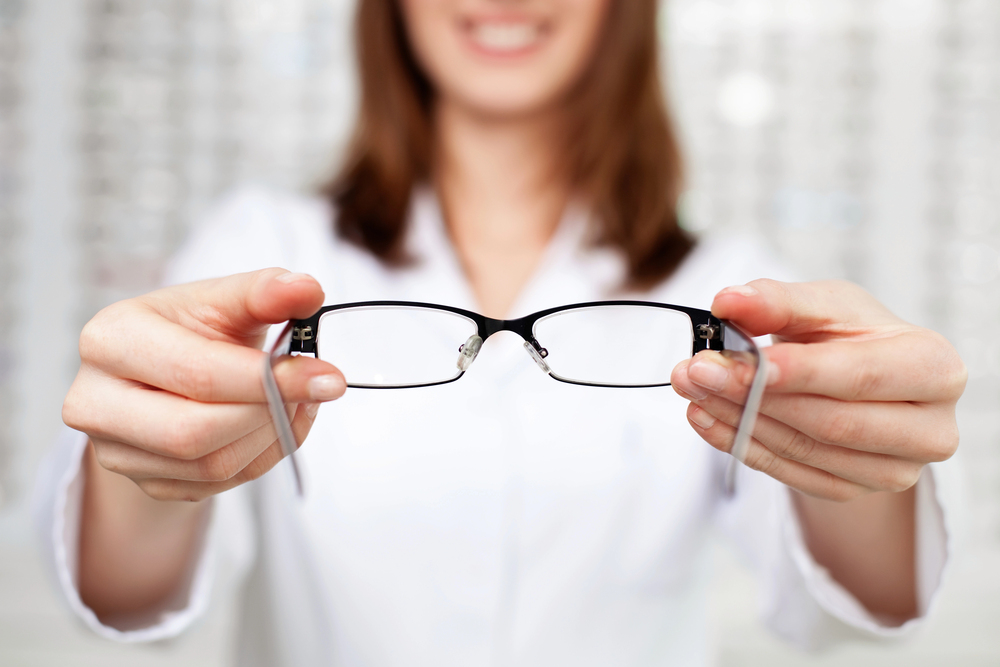
Finding the right glasses involves more than picking frames that look good. Your eyewear needs to match your prescription, lifestyle, and visual needs while fitting your face shape and personal style. Whether you need single vision lenses for distance, progressive lenses for multiple focal points, or prescription sunglasses for outdoor activities, understanding your options helps you make the best choice.
Tulsa offers numerous options for purchasing eyewear, from independent optometry practices to retail chains. This guide covers the key decisions you'll make when selecting glasses, from lens types and coatings to frame styles and where to buy.
Choosing the Right Glasses for Your Needs
Your prescription determines which lens options will work best. Nearsightedness (myopia), farsightedness (hyperopia), astigmatism, and presbyopia each require specific lens designs. Your eye doctor provides measurements beyond just your prescription strength, including pupillary distance (PD) and segment height for multifocal lenses.
Lifestyle factors influence lens choices significantly. Office workers who spend hours on computers benefit from blue light filtering and anti-reflective coatings. Active individuals need impact-resistant polycarbonate lenses. Frequent drivers should consider anti-glare treatments for nighttime visibility.
Face measurements affect both comfort and vision quality. Frames that sit too close or too far from your eyes can reduce peripheral vision and cause headaches. The optical center of each lens must align with your pupils for clear vision, which is why proper fitting matters as much as the prescription itself.
Budget considerations extend beyond frame price. Lens upgrades (high-index materials, premium coatings, photochromic features) can double or triple the total cost. Many Tulsa optometrists offer package pricing that bundles frames with standard lenses, making it easier to compare total costs.
Types of Lenses
Understanding lens options helps you choose the best solution for your vision needs.
Single Vision Lenses
Correct one field of vision with the same optical power throughout the entire lens surface.
Best for: Most people under 40 who need correction for either distance (driving, watching TV) or near tasks (reading, computer work).
Bifocal Lenses
Two distinct optical powers in one lens. Upper portion corrects distance vision, visible segment at bottom corrects near vision.
Best for: People who need two focal distances and don't mind the visible line separating segments.
Progressive Lenses
Seamless vision at all distances without visible lines. Gradual transition from distance through intermediate to near correction.
Best for: People who want multifocal correction without the visible line. Requires 1-2 week adaptation period.
High-Index Lenses
Reduce thickness and weight for strong prescriptions. High-index materials (1.67, 1.74) bend light more efficiently.
Best for: Prescriptions above +/-4.00 diopters where standard lenses become noticeably thick.
Polycarbonate/Trivex
Superior impact resistance. Lighter than standard plastic but may have slightly more chromatic aberration.
Best for: Children's eyewear, safety glasses, sports eyewear, and active lifestyles.
Photochromic Lenses
Darken automatically in sunlight and clear indoors within minutes. Eliminate need for separate prescription sunglasses.
Best for: People who frequently move between indoor and outdoor environments.
Lens Coatings and Features That Matter
Anti-reflective coating eliminates reflections that reduce visual clarity. Uncoated lenses reflect up to 8% of light, creating glare and reducing contrast. AR coating allows 99% of light to pass through the lens, improving night driving, reducing eye strain during computer use, and making your eyes more visible in photos.
Blue light filtering reduces exposure to high-energy visible light from digital screens. Extended screen time can contribute to digital eye strain, headaches, and sleep disruption. Blue light coatings filter 20-50% of blue wavelengths while maintaining color accuracy. However, research on long-term benefits remains mixed.
Scratch-resistant coating extends lens lifespan significantly. Modern plastic lenses are softer than glass and scratch easily without protection. Most quality lenses include a factory-applied hard coat that resists minor scratches from cleaning and everyday wear.
UV protection blocks harmful ultraviolet rays that cause cataracts and macular degeneration. Quality lenses include UV400 protection that blocks 100% of UVA and UVB rays. This feature is standard on most lenses but worth confirming, especially for children and outdoor workers.
Hydrophobic coatings repel water, oil, and smudges. These make lenses easier to clean and keep clearer in rain or humid conditions. Premium AR coatings typically include hydrophobic properties as part of the package.
Frame Styles and Face Shapes
Round faces benefit from angular frames that add definition. Rectangular and square frames create contrast against curved features. Avoid round or oval frames that emphasize facial roundness.
Square faces look best in rounded or oval frames. Soft curves balance strong jawlines and broad foreheads. Thin metal frames or rimless styles can also soften angular features.
Oval faces can wear most frame shapes successfully. This balanced face shape works with everything from aviators to cat-eyes. The main consideration is maintaining facial proportions (don't choose frames wider than the widest part of your face).
Heart-shaped faces suit frames that balance a wider forehead and narrow chin. Bottom-heavy styles like aviators or frames with detailing on the lower half work well. Rimless frames and light-colored frames also complement this face shape.
Frame Materials
Metal frames offer adjustability and a lighter feel. Titanium frames combine strength with minimal weight. Stainless steel provides durability at lower cost. Memory metal (flexon) springs back to shape after bending.
Plastic frames provide bold style options and more color choices. Acetate frames are hand-crafted with rich colors and patterns. Injection-molded plastic frames cost less but offer fewer customization options. Plastic frames work well for stronger prescriptions since they hide thick lens edges better than metal.
Prescription Sunglasses
Prescription sunglasses protect eyes from UV damage while correcting vision. Extended UV exposure increases risk of cataracts, macular degeneration, and skin cancer around the eyes. Prescription sunglasses eliminate the need to wear contacts with non-prescription sunglasses or use clip-ons.
Polarized lenses reduce glare from reflective surfaces like water, snow, and roads. These work exceptionally well for driving, fishing, and outdoor sports. However, polarization can make it difficult to read LCD screens and may interfere with seeing ice on roads.
Lens tint color affects what you see and how you see it. Gray tints reduce brightness without distorting colors, making them ideal for driving and general use. Brown/amber tints enhance contrast and depth perception, benefiting golfers and hunters. Green tints preserve color accuracy while reducing glare.
Where to Buy Glasses in Tulsa
Independent optometry practices offer personalized service and professional fitting. Optometrists provide comprehensive eye exams, help select appropriate lenses for your needs, and ensure proper fit and adjustment. Many Tulsa practices have on-site optical shops with trained opticians.
National chains like LensCrafters, Pearle Vision, and Visionworks offer one-stop shopping with in-house labs for same-day service on many prescriptions. These stores carry extensive frame selections across various price points.
Online retailers like Warby Parker, Zenni Optical, and EyeBuyDirect provide budget-friendly options with virtual try-on tools. You'll need your current prescription and pupillary distance measurement. Online glasses work well for straightforward prescriptions but may not suit complex prescriptions or first-time progressive lens wearers who benefit from professional guidance.
When comparing prices, calculate total cost including frames, lenses, and desired coatings. A $100 frame with $300 in lens upgrades costs the same as a $200 frame with $200 in lenses. Ask about package deals that bundle frames with standard lenses.
Get Expert Guidance for Your Eyewear Needs
Schedule a comprehensive eye exam with a Tulsa optometrist to get an accurate prescription and professional guidance on lenses that match your visual needs.
Find a Tulsa Optometrist