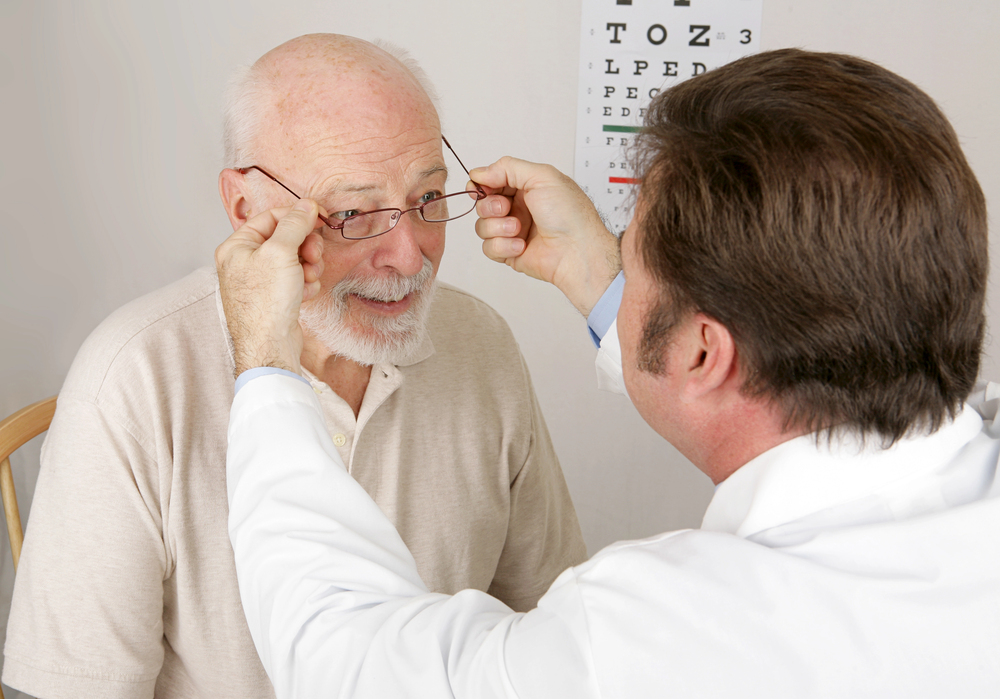
Reading text messages has gotten harder. Menus at restaurants require better lighting. You find yourself holding books at arm's length. These experiences signal presbyopia, an age-related vision condition that affects everyone's ability to focus on close objects, typically beginning in the early to mid-40s.
Presbyopia develops gradually as the eye's natural lens loses flexibility over time. Unlike other vision conditions caused by the shape of your eye, presbyopia results from the lens becoming less elastic and the surrounding muscles weakening. This natural aging process makes it increasingly difficult to shift focus between distant and near objects.
Understanding presbyopia helps you recognize when to seek professional care and which corrective options work best for your lifestyle. With several effective solutions available, from traditional reading glasses to progressive lenses and multifocal contacts, optometrists in Tulsa can help you maintain clear vision at all distances.
What Is Presbyopia?
Presbyopia is a refractive condition where the eye gradually loses its ability to focus on nearby objects. The condition affects nearly everyone who reaches middle age, regardless of whether they've had perfect vision their entire life or have worn corrective lenses for years.
The eye's crystalline lens sits directly behind the iris and pupil. In younger eyes, this lens remains flexible and changes shape easily to focus light on the retina at varying distances. Small ciliary muscles surrounding the lens contract and relax to adjust the lens curvature for near or far vision.
With presbyopia, the lens hardens and becomes less pliable. The ciliary muscles also weaken with age. Together, these changes reduce the eye's accommodative ability, the technical term for adjusting focus between distances. As accommodation decreases, close-up tasks like reading, threading a needle, or working on a smartphone become increasingly difficult.
Presbyopia differs from farsightedness (hyperopia), though both cause difficulty with near vision. Farsightedness results from an eyeball that's too short or a cornea with insufficient curvature, conditions typically present from birth. Presbyopia develops due to lens aging and affects everyone eventually, including people who were previously nearsighted.
Age-Related Causes of Presbyopia
The primary cause of presbyopia is aging. The eye's lens contains crystallin proteins arranged in precise patterns that maintain lens transparency and flexibility. Over decades, these proteins undergo structural changes that increase lens density and reduce elasticity.
At birth, the lens measures approximately 3.5 to 4 millimeters in thickness. The lens continues growing throughout life, adding new layers of lens fibers in an onion-like pattern. By age 40, the lens becomes significantly thicker and less flexible than it was in youth. This continuous growth, combined with protein changes, creates a lens that cannot change shape as readily when the ciliary muscles contract.
The ciliary muscles themselves also undergo age-related changes. These muscles, which form a ring around the lens, lose some of their contractile strength over time. Even if the lens maintained its youthful flexibility, weakened ciliary muscles would struggle to reshape it effectively.
Several factors can accelerate or intensify presbyopia symptoms:
Medications: Certain antihistamines, antidepressants, and diuretics can temporarily worsen near vision by affecting the ciliary muscles or lens accommodation.
Health conditions: Diabetes, cardiovascular disease, and multiple sclerosis can contribute to earlier or more severe presbyopia symptoms.
Eye trauma or surgery: Previous eye injuries or surgeries may affect lens flexibility or ciliary muscle function.
Environmental factors: Prolonged UV exposure without adequate eye protection may accelerate lens protein changes.
Pre-existing vision conditions: People who are farsighted often notice presbyopia symptoms earlier than those who are nearsighted or have normal vision.
The typical onset age for presbyopia symptoms is between 40 and 45 years old. By age 50, most people require some form of vision correction for near tasks. The condition continues progressing until approximately age 65, when the lens has lost most of its remaining flexibility.
Recognizing Presbyopia Symptoms
Early presbyopia symptoms often appear subtle and gradually intensify. Many people initially dismiss these signs as temporary eye strain or fatigue. Recognizing the following symptoms helps you determine when to schedule an eye examination:
Difficulty reading small print: Text in books, newspapers, medication labels, or smartphone screens becomes blurry at normal reading distance. You may find yourself holding reading material farther away to see it clearly.
Eye strain during close work: Your eyes feel tired, strained, or uncomfortable after reading, using a computer, or performing detailed tasks like sewing or crafting.
Headaches after near tasks: Prolonged close work triggers tension headaches, often centered around the forehead or temples.
Need for brighter lighting: Reading in dim lighting becomes challenging. You seek out brighter light sources or adjust lighting more frequently.
Difficulty with digital screens: Switching focus between your computer screen and documents on your desk causes noticeable blur or delay.
Blurred vision at normal reading distance: Materials you hold at a comfortable reading distance (typically 14 to 16 inches) appear out of focus, while moving them farther away provides clarity.
Squinting or closing one eye: You unconsciously squint or close one eye to achieve clearer near vision.
Fatigue after reading: Even short reading sessions leave your eyes feeling exhausted or your overall energy depleted.
These symptoms typically worsen in low-light conditions or after extended periods of near work. The progression is gradual, so you may not notice changes from day to day, but comparing your vision capabilities from year to year reveals significant differences.
Reading Glasses Options for Presbyopia
Reading glasses offer a simple, effective solution for presbyopia. These single-vision lenses are designed specifically to correct near vision at a fixed reading distance, typically 14 to 18 inches.
Over-the-counter (OTC) reading glasses provide an accessible entry point for people with mild presbyopia and no other vision conditions. Available at pharmacies, drugstores, and optical retailers, OTC readers come in standard magnification powers ranging from +1.00 to +3.50 diopters.
Benefits of OTC reading glasses include:
- Immediate availability without a prescription
- Lower cost compared to custom eyewear
- Convenient to keep multiple pairs in different locations
- Suitable for occasional reading tasks
Limitations of OTC reading glasses include:
- Both lenses have identical power, which may not match individual eye needs
- Optical quality varies significantly by manufacturer
- Not suitable if you have astigmatism, different prescriptions in each eye, or other vision conditions
- May cause eye strain or headaches if the power doesn't match your needs
Prescription reading glasses are custom-made to your specific vision requirements based on a comprehensive eye examination. An optometrist measures your exact near vision prescription for each eye individually and can incorporate correction for astigmatism or other refractive errors.
Prescription readers offer several advantages:
- Precise correction tailored to each eye's unique needs
- Higher optical quality with better lens materials
- Customizable lens coatings (anti-reflective, blue light filtering, scratch-resistant)
- Wider field of clear vision compared to OTC options
- Professional frame fitting for optimal comfort
The main consideration with all reading glasses is that they only provide clear near vision. You'll need to remove them to see clearly at distance, making them less convenient if you frequently shift between near and far tasks.
Progressive Lenses for Seamless Vision
Progressive lenses provide correction for multiple distances within a single lens, eliminating the need to switch between different pairs of glasses. Unlike bifocals or trifocals with visible lines separating lens zones, progressives feature a gradual power change from top to bottom.
The lens design divides into three main viewing zones:
Distance zone (upper portion): Corrects vision for objects beyond 20 feet, such as driving, watching television, or viewing presentations.
Intermediate zone (middle portion): Provides clear vision at arm's length, ideal for computer work, cooking, or reading sheet music.
Near zone (lower portion): Optimized for close-up tasks at typical reading distance, including books, smartphones, and detailed handwork.
The power transitions smoothly between these zones through corridors, allowing you to see clearly at any distance by adjusting your gaze position. Looking straight ahead provides distance vision, lowering your eyes slightly accesses intermediate vision, and looking down through the bottom portion gives you reading power.
Benefits of progressive lenses include:
Convenience: One pair of glasses serves all vision needs throughout the day. No need to carry multiple pairs or constantly switch between readers and distance glasses.
Natural appearance: The absence of visible lines creates a more youthful look compared to lined bifocals or trifocals.
Broad visual range: Continuous vision correction at all distances, not just two or three fixed zones.
Progressive lenses do require an adaptation period. The peripheral areas of the lens contain distortion zones where vision may appear blurred or warped. Most wearers adapt within one to two weeks by learning to turn their head rather than just their eyes when looking to the side.
Multifocal Contact Lenses for Presbyopia
Multifocal contact lenses provide presbyopia correction without glasses, offering freedom for active lifestyles, sports, and aesthetic preferences. These specialized lenses incorporate multiple prescriptions within a single contact lens surface.
Simultaneous vision design: The most common multifocal contact lens type. These lenses feature concentric rings or zones of different powers. Your eye sees through all zones simultaneously, and your brain learns to select the appropriate focus based on what you're viewing.
Segmented design: Similar to bifocal or progressive glasses, these lenses have distinct zones for different viewing distances. The lens is weighted or designed to maintain consistent orientation on your eye so you look through the correct zone for each distance.
Monovision approach: While not technically multifocal, some practitioners prescribe single-vision contacts with one eye corrected for distance and the other for near vision. Your brain blends the images to achieve functional vision at multiple distances.
Multifocal contacts work with both soft and rigid gas permeable (RGP) lens materials. Soft multifocal lenses are more comfortable initially with easier adaptation. RGP multifocal lenses offer sharper optical quality and more customizable designs.
Not everyone is a suitable candidate for multifocal contacts. Success rates are highest for people with mild to moderate presbyopia, good eye health, and realistic expectations about visual outcomes.
When to See an Optometrist About Presbyopia
Schedule an eye examination with an optometrist when you first notice presbyopia symptoms. Early detection allows for timely correction and helps identify any other eye conditions that may be developing.
Recommended examination schedule:
Ages 40-54: Eye exams every two to four years if you have no vision problems or risk factors. Annual exams if you wear contacts or glasses, have a family history of eye disease, or have health conditions affecting vision like diabetes or high blood pressure.
Ages 55-64: Eye exams every one to three years for those without known vision issues. Annual exams for anyone with existing eye conditions or risk factors.
Age 65 and older: Annual comprehensive eye examinations regardless of vision status.
A comprehensive presbyopia evaluation includes visual acuity testing, refraction assessment, near vision testing, eye muscle testing, eye pressure measurement, and a dilated eye examination. This approach identifies not just presbyopia but also potential signs of other conditions including cataracts, macular degeneration, diabetic retinopathy, and glaucoma.
Living Well with Presbyopia
Presbyopia is a natural part of aging that affects everyone to some degree. While the condition is irreversible and progressive, effective correction methods allow you to maintain excellent vision quality throughout middle age and beyond.
Beyond corrective lenses, several strategies support optimal eye health as you age:
Adequate lighting: Increase illumination for reading and close work, particularly in the evening.
Regular breaks: Follow the 20-20-20 rule when doing close work. Every 20 minutes, look at something 20 feet away for 20 seconds to reduce eye strain.
Proper ergonomics: Position reading materials and screens at appropriate distances and angles to minimize neck and eye strain.
UV protection: Wear sunglasses with 100% UV protection outdoors to reduce cumulative UV damage to eye structures.
Healthy habits: Maintain a balanced diet rich in omega-3 fatty acids, vitamins C and E, and zinc. Stay hydrated and avoid smoking, which accelerates age-related eye changes.
Presbyopia correction needs change over time. Your prescription typically strengthens every one to three years during this period until approximately age 65, when lens changes stabilize.
Frequently Asked Questions About Presbyopia
Can presbyopia be prevented?
No, presbyopia cannot be prevented. The condition results from natural age-related changes to the eye's lens and surrounding muscles that occur in everyone. While you cannot stop presbyopia from developing, maintaining overall eye health through proper nutrition, UV protection, and regular eye examinations can help you maintain the best possible vision as the condition progresses.
At what age does presbyopia start?
Presbyopia typically begins between ages 40 and 45. Most people notice initial symptoms in their early to mid-40s. Farsighted individuals may experience symptoms slightly earlier, sometimes in their late 30s, while nearsighted people might not recognize symptoms until their mid-40s or later. The condition progresses gradually until approximately age 65.
Can you have presbyopia and nearsightedness at the same time?
Yes, you can have both presbyopia and nearsightedness (myopia) simultaneously. People who have been nearsighted their entire lives will still develop presbyopia as they age. In fact, some nearsighted individuals can read comfortably by simply removing their distance glasses when presbyopia first develops, though this becomes less effective as presbyopia progresses.
How often should presbyopia prescriptions be updated?
Presbyopia prescriptions typically need updating every one to three years as the condition progresses. Changes occur most rapidly between ages 45 and 60. After age 65, the lens has lost most of its remaining flexibility, and prescription changes stabilize. Schedule regular eye examinations to ensure your correction remains accurate and comfortable.
Are multifocal contact lenses as effective as progressive glasses?
Multifocal contact lenses and progressive glasses both effectively correct presbyopia, but they work differently. Progressive glasses typically provide sharper vision at all distances, while multifocal contacts offer more freedom for physical activity and no visible correction. Success with multifocal contacts varies by individual. An optometrist can help determine which option best suits your needs.
Does presbyopia continue to worsen with age?
Presbyopia progresses most rapidly between ages 40 and 60. The rate of change varies individually but generally requires stronger correction every one to three years during this period. Around age 65, the eye's lens loses nearly all its remaining flexibility, and presbyopia stabilizes. Vision changes after 65 are more likely due to other age-related conditions rather than continuing presbyopia progression.
Can presbyopia be corrected with surgery?
Several surgical options exist for presbyopia correction, including monovision LASIK, conductive keratoplasty, corneal inlays, and lens replacement surgery. These procedures work by either creating monovision (one eye for distance, one for near) or changing corneal shape to increase depth of focus. Surgical success rates vary, and not everyone is a suitable candidate.
Why do I need more light to read as I get older?
Presbyopia occurs alongside other age-related eye changes that affect light transmission. As the eye's lens becomes denser and less transparent with age, less light reaches the retina. Additionally, the pupil becomes smaller with age and dilates less effectively in dim lighting, further reducing the light available for clear vision.
Maintain Clear Vision at Every Distance
If you're experiencing difficulty with near vision or any presbyopia symptoms, don't postpone professional care. An optometrist can provide accurate diagnosis and help you find the solution that best fits your visual needs.
Find an Eye Doctor