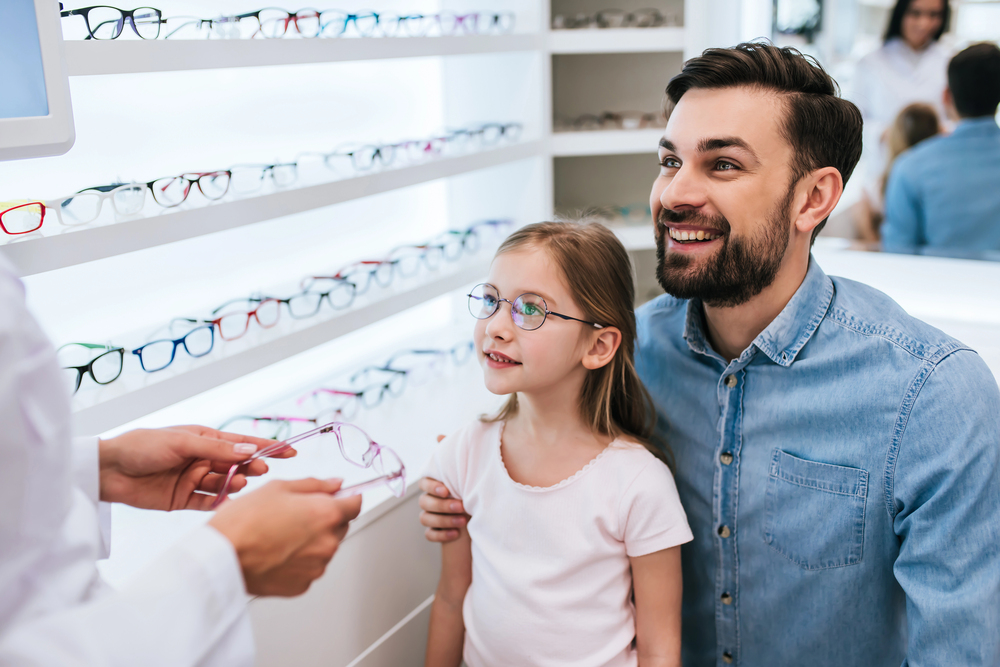
Choosing glasses involves matching frame styles to your face shape, selecting materials that fit your lifestyle, and understanding lens options that support your vision needs. The right eyewear balances function, comfort, and personal style while staying within your budget.
Face Shape Guide for Frame Selection
Your face shape determines which frame styles will enhance your natural features. To identify your face shape, pull your hair back and look at your face in a mirror. Note the width of your forehead, cheekbones, and jawline, plus the length of your face from forehead to chin.
Oval faces have balanced proportions with slightly wider cheekbones than the forehead and jaw. Most frame shapes work well with oval faces. Rectangular frames, wayfarers, and aviators all complement this face shape. Avoid frames that are too large, as they can overwhelm balanced features.
Round faces have full cheeks and a rounded chin with similar width and length measurements. Angular frames create contrast and add definition. Rectangle and square frames work well. Cat-eye styles also add angles. Avoid round or oval frames that emphasize the face's circular shape.
Square faces feature a strong jawline, broad forehead, and angular features. Round or oval frames soften angular features. Thin frames prevent adding bulk to already strong features. Avoid rectangular frames that emphasize the square shape.
Heart-shaped faces have a wider forehead that narrows to a pointed chin. Bottom-heavy frames balance the proportions. Aviators, round frames, and rimless styles work well. Light-colored or rimless top frames draw less attention to the forehead. Avoid top-heavy frames that widen the upper face.
Diamond faces have narrow foreheads and jawlines with wide cheekbones. Oval and cat-eye frames complement this face shape. Rimless frames also work well. Frames with detailing on the brow line add width to the forehead.
Frame Materials and Their Benefits
Frame materials affect durability, weight, flexibility, and appearance. Each material offers specific advantages for different needs and preferences.
Plastic frames (cellulose acetate) offer the widest range of colors and patterns. Plastic frames are lightweight and hypoallergenic. They work well for strong prescriptions because thick frames hide lens edges. Acetate frames can be adjusted with heat but may become brittle over time with exposure to heat and chemicals.
Metal frames include titanium, stainless steel, aluminum, and various alloys. Metal frames are strong, lightweight, and corrosion-resistant. Titanium frames are the lightest and strongest option but cost more than other metals. Memory metal frames bend and return to their original shape, making them ideal for active lifestyles. Some people have nickel allergies, so hypoallergenic metals like titanium and stainless steel are safer choices.
Rimless frames use minimal material with lenses attached directly to the temples and bridge. These frames are nearly invisible, making them ideal for a subtle look. Rimless frames are lightweight but less durable than full-rim frames. They work best with standard prescriptions rather than high-index lenses.
Wood and eco-friendly materials include bamboo, walnut, and recycled plastics. These frames make a style statement and appeal to environmentally conscious buyers. Wood frames are lightweight but require more maintenance to prevent moisture damage. Prices vary widely based on the specific material and craftsmanship.
Lens Options for Different Vision Needs
Lens selection impacts vision clarity, comfort, and the weight of your glasses. Understanding lens materials and coatings helps you make informed choices.
Lens materials range from standard plastic to high-index options. Standard plastic lenses (CR-39) are affordable and provide good optical clarity. Polycarbonate lenses are impact-resistant, making them ideal for children and active adults. High-index lenses are thinner and lighter, recommended for strong prescriptions above +/- 3.00. Trivex lenses combine thin profiles with impact resistance.
Lens coatings enhance performance and durability. Anti-reflective coating reduces glare from screens and headlights, improving vision and appearance. Scratch-resistant coating extends lens life. UV protection blocks harmful ultraviolet rays (essential for eye health). Blue light filtering reduces eye strain from digital devices.
Progressive lenses provide seamless vision at all distances without visible lines. These multifocal lenses work well for people over 40 who need both distance and reading correction. Progressive lenses require an adjustment period of 1-2 weeks. They cost more than single-vision or bifocal lenses.
Photochromic lenses darken in sunlight and clear indoors. These transition lenses eliminate the need to switch between regular glasses and sunglasses. They work well for people who frequently move between indoor and outdoor environments. Photochromic lenses take 30-60 seconds to adjust to light changes.
Polarized lenses reduce glare from reflective surfaces like water, snow, and car hoods. Polarization improves visual comfort during driving and outdoor activities. These lenses are typically added to sunglasses rather than everyday eyewear.
Lifestyle Considerations When Selecting Eyewear
Your daily activities determine which frame styles and lens features will serve you best. Consider how you spend most of your time when choosing glasses.
Office workers who spend 6-8 hours daily on computers benefit from blue light filtering and anti-reflective coatings. Lightweight frames reduce pressure during extended wear. Progressive lenses help workers over 40 who need to view screens at intermediate distances and read documents up close.
Active individuals need durable, flexible frames that stay in place during movement. Wrap-around styles and frames with rubberized nose pads and temple tips prevent slipping. Polycarbonate or Trivex lenses resist impact better than standard plastic. Consider getting prescription sports glasses or goggles for specific activities.
Outdoor enthusiasts benefit from photochromic or polarized lenses. UV protection is essential for anyone spending time outside. Larger frames provide more coverage and sun protection. Consider prescription sunglasses as a second pair if you spend significant time outdoors.
Parents of young children should prioritize durability and safety. Flexible hinges prevent breakage when glasses are removed roughly. Polycarbonate lenses are impact-resistant and safer for children. Adjustable nose pads and temple tips accommodate growing faces.
Professionals in customer-facing roles may prefer understated styles that project competence. Rimless or thin metal frames create a professional appearance. Neutral colors like black, tortoiseshell, and silver work in most professional settings.
Budget Tips for Eyewear Shopping
Quality eyewear doesn't require overspending. Understanding where to invest and where to save helps you get the best value.
Insurance coverage varies by plan. Most vision insurance covers eye exams and provides allowances for frames and lenses every 1-2 years. Check your plan's network of providers to maximize benefits. Out-of-network providers may offer partial reimbursement. FSA and HSA accounts cover prescription eyewear as qualified medical expenses.
Price ranges reflect materials, brand names, and retailer markups. Budget frames start at $50-$100. Mid-range frames cost $100-$300. Designer frames range from $300-$600. Lenses add $100-$400 depending on materials and coatings. A complete pair with quality lenses typically costs $200-$500.
Where to invest depends on your priorities. Spend more on lens quality if you have a strong prescription or spend long hours in your glasses. High-index lenses and premium coatings improve daily comfort. Frames can be more budget-friendly if you prefer changing styles frequently.
Money-saving strategies include buying frames online and having lenses fitted locally. Many optometrists will fit lenses to frames purchased elsewhere for a service fee of $50-$100. Consider basic frames with quality lenses rather than designer frames with standard lenses. Purchase a backup pair during sales or use last year's frames as a spare.
Avoid cheap online-only glasses for complex prescriptions or first-time wearers. Incorrect measurements lead to eye strain, headaches, and blurred vision. In-person fittings ensure proper pupillary distance (PD) and optical center alignment.
Trying On Frames: What to Look For
Proper fit prevents discomfort and ensures optimal vision correction. Several key measurements determine whether frames fit well.
Frame width should match your face width. Frames should not extend beyond the widest part of your face. Oversized frames slide down your nose. Undersized frames create pressure points at the temples.
Bridge fit affects how frames sit on your nose. The bridge should rest comfortably without pinching or sliding. Adjustable nose pads accommodate different nose shapes. Fixed bridges must match your nose profile.
Temple length determines how frames stay in place. Temples should extend straight back to your ears, then curve down behind the ears. Short temples create pressure on the sides of your head. Long temples slip forward.
Lens size impacts your field of vision and appearance. Larger lenses provide a wider field of view but add weight. Smaller lenses suit subtle styles but may limit peripheral vision. Your pupil should sit in the center of the lens.
Try frames for 10-15 minutes while reading, looking at your phone, and moving your head. Frames that feel fine initially may cause discomfort during normal activities. Check for pressure points at the nose bridge, behind the ears, and at the temples.
Bring a friend or family member for a second opinion. What looks good in the mirror may appear different to others. Take photos to review frames later without sales pressure.
Finding the Right Eyewear in Tulsa
Selecting glasses requires professional guidance to ensure proper fit and prescription accuracy. Optometrists in Tulsa provide comprehensive eye exams and eyewear consultations. Professional fittings include measurements for pupillary distance, optical centers, and frame adjustments.
After your eye exam, explore glasses and eyewear options that match your prescription, lifestyle, and budget. Quality eyewear represents an investment in your vision health and daily comfort. The right pair of glasses should feel comfortable, look natural, and provide clear vision for years of daily wear.
Ready for Your Eye Exam?
Find qualified optometrists near you and get expert guidance on selecting the perfect eyewear.
Browse Directory