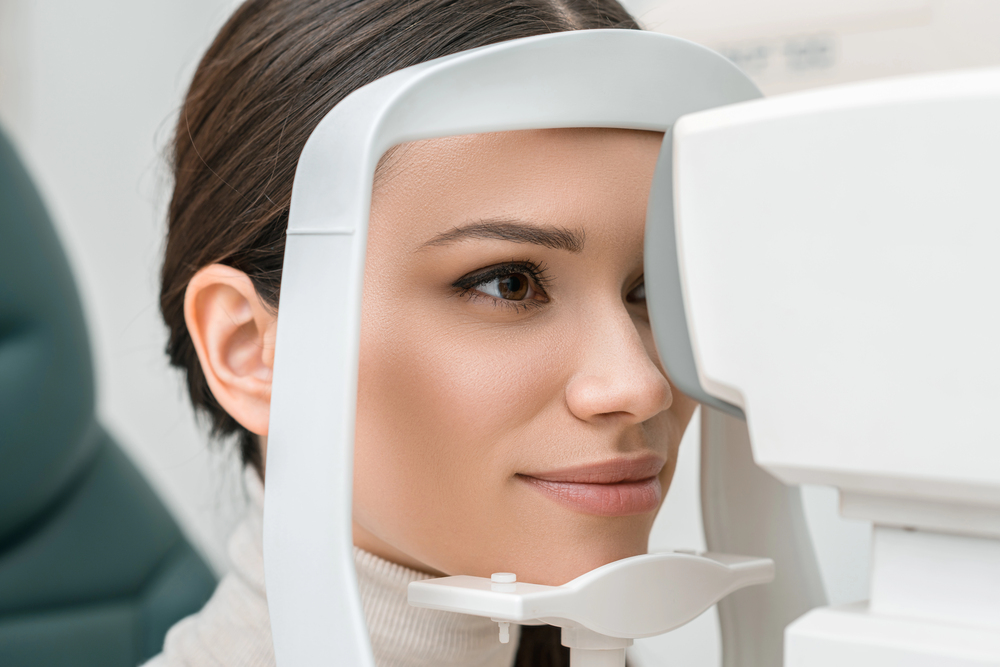
If you've been putting off scheduling an eye exam because you're unsure what happens during the appointment, you're not alone. Many Tulsa residents wonder what the process involves, how long it takes, and what they need to bring. A comprehensive eye exam is a straightforward, non-invasive process that typically takes 30 to 60 minutes and provides valuable insights into both your vision health and overall well-being.
Understanding what happens during an eye exam can help you feel more prepared and confident when you arrive at your optometrist's office.
What to Bring to Your Eye Exam
To make your eye exam as efficient and accurate as possible, bring these items:
- Your current eyeglasses and contact lenses (if you wear them)
- A list of all medications you currently take, including vitamins and supplements
- Your vision insurance card and photo ID
- Any previous eye exam records or prescriptions (especially if this is your first visit to this optometrist)
- A list of questions or concerns about your vision
If you have a family history of eye disease (glaucoma, macular degeneration, cataracts, or diabetic retinopathy), mention this when you call to schedule. Your optometrist may allocate additional time for specialized testing.
Contact lens wearers should note: If you need a contact lens fitting or prescription update, wear your current lenses to the appointment so your optometrist can assess the fit. If you're experiencing discomfort, bring your lens case and solution so you can remove them during the exam if needed.
Check-In and Patient History
The check-in process typically takes 5 to 10 minutes. After verifying your insurance and contact information, a staff member will ask you to complete a patient history form. This form covers:
- Your reason for the visit (routine exam, vision problems, eye discomfort, etc.)
- Current medications and allergies
- Family history of eye diseases
- Medical conditions that can affect eye health (diabetes, high blood pressure, autoimmune disorders)
- Vision concerns or changes you've noticed
This information helps your optometrist tailor the exam to your specific needs. For example, patients with diabetes require more thorough retinal examinations to check for diabetic retinopathy. Patients taking certain medications may need additional tests to monitor for drug-related eye changes.
Preliminary Vision Tests
Before you meet with the optometrist, a technician performs several preliminary tests. These baseline measurements help identify potential issues and make the comprehensive exam more efficient.
Visual Acuity Test
The visual acuity test measures how clearly you see at various distances. You'll read letters from an eye chart (usually the Snellen chart with the large "E" at the top) while covering one eye at a time. The technician records your results as a fraction, such as 20/20, 20/40, or 20/100.
Here's what those numbers mean:
- 20/20 vision means you can read at 20 feet what a person with normal vision can read at 20 feet (considered "normal" vision)
- 20/40 vision means you must be 20 feet away to read what someone with normal vision reads at 40 feet (your vision is less sharp)
- 20/15 vision means you can read at 20 feet what most people need to be 15 feet away to read (better than average)
Preliminary Refraction
This test identifies your approximate eyeglass prescription using an automated machine called an autorefractor. You'll look into the device at an image (often a hot air balloon or farmhouse) while the machine measures how light focuses through your eye. This process takes about 30 seconds per eye and provides a starting point for the detailed refraction test that comes later.
Eye Pressure Check (Tonometry)
Tonometry measures the pressure inside your eyes (intraocular pressure or IOP). Elevated eye pressure can indicate glaucoma risk. Most offices use one of two methods:
- Non-contact tonometry (air puff test): A quick puff of air is directed at your eye while you look at a light. Many patients find this test uncomfortable but not painful. The entire process takes less than 10 seconds per eye.
- Applanation tonometry: A small probe gently touches your eye after numbing drops are applied. This method provides more precise measurements but requires eye drops that may sting slightly when first applied.
Normal eye pressure ranges from 10 to 21 mmHg. Readings above this range don't automatically mean you have glaucoma, but they do warrant closer monitoring or additional testing.
Comprehensive Eye Examination
After preliminary testing, you'll meet with the optometrist for the comprehensive portion of your exam. This is where most of the diagnostic work happens.
Refraction Test
The refraction test determines your precise eyeglass prescription. You'll look through a device called a phoropter while the optometrist shows you different lens combinations, asking "Which is clearer, one or two?" repeatedly. This process compares various lens powers to identify the combination that gives you the sharpest vision.
The test measures three prescription components:
- Sphere (SPH): Corrects nearsightedness or farsightedness
- Cylinder (CYL): Corrects astigmatism (irregular cornea curvature)
- Axis: Indicates the angle at which astigmatism correction should be applied
Don't worry if some lens options seem nearly identical. Your optometrist expects this and uses your responses to fine-tune your prescription. If you genuinely can't tell the difference between two options, just say so.
Eye Movement and Coordination Tests
Your optometrist evaluates how well your eyes work together and track moving objects. You'll follow a pen or light with your eyes while keeping your head still. These tests check for:
- Tracking problems (difficulty following moving objects smoothly)
- Convergence insufficiency (eyes don't turn inward properly when focusing on near objects)
- Nystagmus (involuntary eye movements)
These conditions can cause eye strain, headaches, and reading difficulties even when your eyeglass prescription is correct.
Peripheral Vision Test
Peripheral vision testing checks your side vision while you focus straight ahead. You'll cover one eye and focus on a central target while the optometrist moves their hand or a small object in from the sides. When you detect the movement, you'll indicate by pointing or saying "yes."
Peripheral vision loss can indicate:
- Glaucoma
- Retinal detachment
- Neurological conditions affecting the optic nerve
- Brain lesions or tumors
If preliminary testing reveals potential issues, your optometrist may use automated perimetry (a computerized test where you press a button when you see lights appear in your peripheral vision). This provides a detailed map of your visual field.
Slit Lamp Examination
The slit lamp is a specialized microscope that allows your optometrist to examine the front structures of your eye in detail. You'll place your chin on a rest and look into the device while the optometrist shines a narrow beam of light into your eye.
This examination evaluates:
- Cornea: Checks for scratches, infections, scarring, or irregular shape
- Iris: Looks for abnormalities in the colored part of your eye
- Lens: Detects cataracts (clouding of the natural lens)
- Anterior chamber: Measures the space between cornea and iris (important for glaucoma assessment)
The bright light may feel uncomfortable, but the exam is painless. The entire process takes 2 to 3 minutes per eye.
Dilated Eye Exam
Dilation allows your optometrist to examine the internal structures at the back of your eye (retina, optic nerve, and blood vessels). The optometrist places dilating drops in your eyes, which take 15 to 30 minutes to work fully.
After dilation, your optometrist uses specialized instruments to view:
- Retina: Light-sensitive tissue at the back of the eye where vision processing begins
- Macula: Central retina area responsible for sharp, detailed vision
- Optic nerve: Connects your eye to your brain
- Blood vessels: Can reveal signs of diabetes, high blood pressure, and other systemic conditions
Important things to know about dilation:
- Your vision will be blurry for 2 to 6 hours afterward (longer if you have light-colored eyes)
- Bright lights will be uncomfortable during this time
- You should arrange for someone to drive you home
- Bring sunglasses to wear after the appointment
- Avoid detailed work or reading until the drops wear off
Not every eye exam requires dilation. Your optometrist decides based on your age, risk factors, and symptoms. Patients with diabetes, high blood pressure, or a family history of eye disease typically need annual dilated exams.
Discussing Your Results
After completing all tests, your optometrist reviews the findings with you. This discussion typically covers:
- Whether your vision has changed since your last exam
- Your updated eyeglass or contact lens prescription (if needed)
- Any eye health concerns detected during the examination
- Recommendations for follow-up testing or treatment
- Preventive measures to protect your vision
This is the time to ask questions. If you don't understand something, ask for clarification. Common questions include:
- "Do I need new glasses, or is my current prescription still accurate?"
- "Why did my prescription change?"
- "Are there exercises or lifestyle changes that can improve my vision?"
- "How often should I schedule eye exams?"
- "What should I watch for between now and my next appointment?"
If your optometrist detects concerning findings (elevated eye pressure, retinal abnormalities, or signs of disease), they'll explain what was found, what it means, and what steps to take next. This may include scheduling additional testing, referring you to an ophthalmologist (medical eye doctor), or monitoring the condition at your next routine exam.
After Your Eye Exam
If you received a new prescription, you can order glasses or contact lenses immediately. Most optical shops are located within or adjacent to optometry offices. If you prefer to order online, ask for a copy of your prescription. By law, optometrists must provide you with your prescription at no additional charge.
For comprehensive eye exams that include dilation:
- Plan for reduced productivity for 3 to 4 hours after your appointment
- Avoid driving until your vision clears
- Postpone any activities requiring sharp, detailed vision
- Wear sunglasses to reduce light sensitivity
- Don't schedule important meetings or work presentations immediately after your exam
Schedule your next appointment before leaving. Most adults with healthy eyes should have comprehensive eye exams every 1 to 2 years. Your optometrist may recommend more frequent visits if you:
- Wear contact lenses (annual exams typically required for prescription renewals)
- Have diabetes, glaucoma, or other conditions affecting eye health
- Have a family history of eye disease
- Are over 60 (increased risk for age-related eye conditions)
- Take medications that can affect your eyes
First-Time Eye Exam Tips
If this is your first comprehensive eye exam, these tips can help:
1. Schedule your appointment for early morning when your eyes are least tired and your energy is highest. Late afternoon appointments may be less comfortable if you've spent the day on screens.
2. Remove contact lenses before your appointment if you've been experiencing discomfort or redness. Your optometrist can better assess the problem when your eyes have had a break from the lenses.
3. Bring a backup pair of glasses (if you have them) in case your optometrist recommends removing your contact lenses during the appointment.
4. Avoid wearing heavy eye makeup on exam day. You'll need to rest your face against equipment, and mascara or eyeliner can smudge or transfer to instruments.
5. Eat normally before your appointment. Some people feel lightheaded during dilation, especially if their blood sugar is low.
6. Ask about costs upfront if you don't have vision insurance. Many optometrists offer payment plans or package pricing for exams plus glasses.
7. Tell the truth about your symptoms and habits. Your optometrist can't help you if they don't know you're experiencing eye strain from screen time, dry eyes in the morning, or blurry vision while driving at night.
Understanding the Difference: Routine vs. Medical Eye Exams
Not all eye exams are the same. Understanding the difference can help with insurance billing and expectations.
Routine eye exams evaluate vision and general eye health for patients without symptoms. These exams:
- Check for changes in vision requiring new prescriptions
- Screen for common eye diseases (glaucoma, cataracts, macular degeneration)
- Are typically covered by vision insurance plans
- Are usually coded as "comprehensive eye exam" or "refraction"
Medical eye exams diagnose and manage specific problems or symptoms. These exams:
- Address complaints like eye pain, redness, discharge, or vision loss
- Monitor diagnosed conditions (diabetic retinopathy, glaucoma, dry eye disease)
- Follow up on abnormal findings from previous exams
- Are billed to medical insurance (not vision insurance)
- May require a copay based on your medical insurance plan
If you have both vision and medical insurance, your routine exam typically bills to vision insurance, while any medical components (like treating an eye infection or managing glaucoma) bill to medical insurance. Ask the office staff which insurance will be billed before your appointment if cost is a concern.
Frequently Asked Questions
How long does a comprehensive eye exam take?
A comprehensive eye exam takes 30 to 60 minutes on average. The exact duration depends on whether dilation is required, how many tests are performed, and whether you're a new patient. First-time patients often spend 45 to 75 minutes for the complete visit, including paperwork and checkout.
Does an eye exam hurt?
Eye exams are painless. Some tests may feel uncomfortable (the air puff test, bright lights during examination, or the slight stinging from dilating drops), but nothing during a standard eye exam causes pain. If you experience pain during any test, tell your optometrist immediately.
Can I wear contacts to my eye exam?
You can wear contact lenses to your appointment, but your optometrist may ask you to remove them during certain tests. If you're due for a contact lens prescription renewal, wearing your current lenses helps your optometrist assess the fit and condition. Bring your lens case and solution in case removal is necessary.
How often should I have an eye exam?
Most adults should have comprehensive eye exams every 1 to 2 years. Your personal schedule depends on your age, risk factors, and current eye health. Contact lens wearers typically need annual exams for prescription renewal. People with diabetes, high blood pressure, or family history of eye disease should have annual exams.
Will my vision be blurry after my exam?
Your vision may be blurry for 2 to 6 hours after a dilated eye exam. Dilation is not required for every exam. If your optometrist does not dilate your eyes, your vision returns to normal immediately after the exam. Ask whether dilation is planned when you schedule your appointment so you can arrange transportation if needed.
Can I get my prescription and order glasses elsewhere?
Yes. Federal law requires optometrists to provide you with a copy of your eyeglass prescription immediately after your exam at no extra charge. You can use this prescription to order glasses anywhere you choose. Contact lens prescriptions must also be provided, though they may expire after one year (requiring a new exam for renewal).
What if the optometrist finds a problem?
If your optometrist detects an issue during your exam, they will explain the findings, discuss treatment options, and create a follow-up plan. Minor issues (like mild dry eye or early cataracts) may only require monitoring at your next routine exam. More serious findings may require referral to an ophthalmologist, additional testing, or prescription treatment.
Do I need an eye exam if my vision seems fine?
Yes. Many serious eye conditions develop with no symptoms in the early stages. Glaucoma, diabetic retinopathy, and macular degeneration can cause permanent vision loss if not caught early. Regular comprehensive eye exams detect these conditions before symptoms appear, when treatment is most effective. Additionally, eye exams can reveal signs of systemic conditions like high blood pressure, diabetes, and certain cancers.
Ready to Schedule Your Eye Exam?
Find qualified optometrists near you and take the first step toward protecting your vision and overall health.
Browse Directory