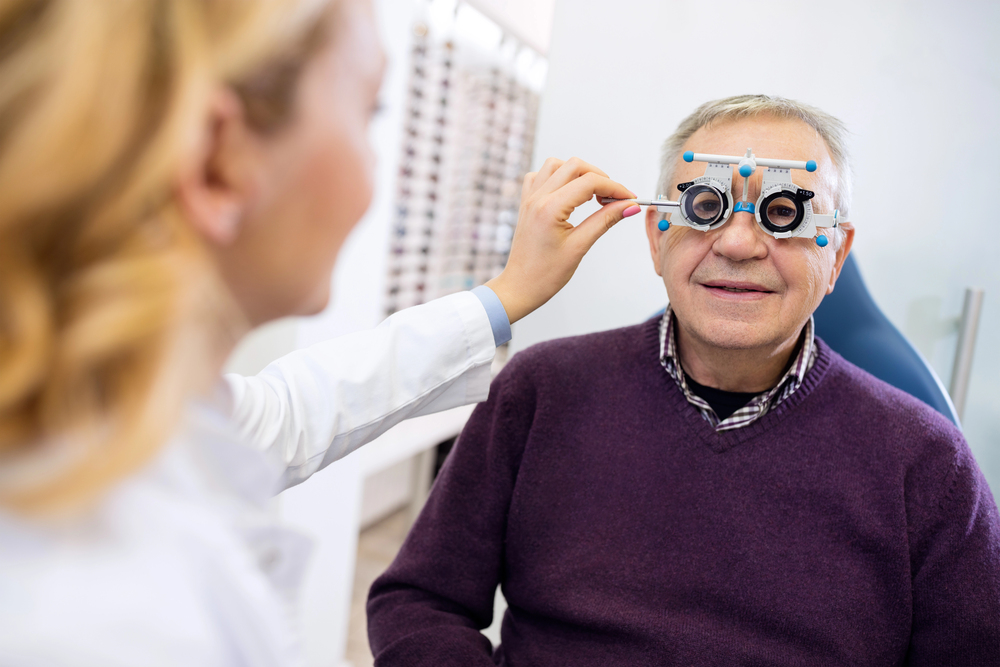
Regular eye exams protect your vision and detect health problems before symptoms appear. Most adults need comprehensive eye exams every one to two years, but your specific schedule depends on age, risk factors, and existing conditions.
Eye exams do more than update your prescription. Optometrists in Tulsa screen for glaucoma, cataracts, diabetic retinopathy, macular degeneration, and other conditions that develop without early warning signs. Catching these early makes treatment more effective and can prevent vision loss.
General Eye Exam Guidelines by Age
The American Optometric Association provides clear guidance on how often to schedule eye exams based on age and risk level.
Adults ages 18 to 64 should get comprehensive eye exams every two years if they have no vision problems or risk factors. If you wear glasses or contacts, have a family history of eye disease, or have certain health conditions, annual exams are recommended.
Adults age 65 and older should schedule annual eye exams. Age-related eye diseases become more common after 65, including glaucoma, macular degeneration, and cataracts. Early detection significantly improves treatment outcomes for these conditions.
Children need their first comprehensive eye exam at 6 months old, again at age 3, and before starting first grade. School-age children should have exams every one to two years, or annually if they wear corrective lenses or have vision problems.
Eye Exam Frequency for Children
A child's visual system develops rapidly during early years, making timely exams critical for detecting problems that can affect learning and development.
Infants (6-12 months) need screening to detect congenital conditions, alignment issues, and focusing problems. Most vision problems are more treatable when caught before age 2.
Preschoolers (3-5 years) should have comprehensive exams to check for amblyopia (lazy eye), strabismus (eye misalignment), refractive errors, and eye health issues. These conditions affect 5-10% of preschoolers and respond best to early treatment.
School-age children (6-18 years) benefit from annual exams if they have existing vision problems, wear glasses or contacts, or struggle with reading and learning. Otherwise, exams every two years are sufficient. Undetected vision problems affect 25% of school-age children and can impact academic performance.
Eye Exam Schedule for Adults
Adult eye care needs change based on prescription stability, overall health, and age-related risk factors.
Young adults (18-39 years) without vision problems or risk factors need comprehensive eye exams every two years. This baseline screening detects early signs of conditions like keratoconus, which often develops in the late teens and twenties.
Middle-aged adults (40-64 years) should increase exam frequency to every one to two years. Presbyopia (difficulty focusing on close objects) typically begins around age 40. This age group also faces higher risk for glaucoma, especially after age 50.
Working professionals who spend extended time on computers may need annual exams even without other risk factors. Digital eye strain can mask underlying vision changes that require prescription adjustments.
Eye Exam Frequency for Seniors
Age 65 marks the point when annual comprehensive eye exams become standard for everyone, regardless of vision quality.
Seniors face higher risk for age-related macular degeneration, glaucoma, cataracts, and diabetic retinopathy. All four conditions can cause permanent vision loss if not detected early.
Medicare Part B covers annual dilated eye exams for people at high risk of glaucoma and annual diabetic retinopathy screenings for people with diabetes. Many seniors qualify for coverage even without symptoms.
Vision changes accelerate after 65. Prescription needs may shift more rapidly, and conditions like cataracts can progress from barely noticeable to functionally limiting within 12-18 months.
Risk Factors Requiring More Frequent Exams
Certain health conditions and personal factors increase your need for professional monitoring beyond standard age-based schedules.
Diabetes requires annual comprehensive eye exams regardless of age. Diabetic retinopathy develops in 28% of people with diabetes and is the leading cause of blindness in working-age adults. Annual screening detects changes before vision loss occurs.
High blood pressure increases risk for hypertensive retinopathy and can accelerate other eye diseases. People with high blood pressure benefit from annual exams.
Family history of glaucoma warrants annual screening starting at age 35. First-degree relatives of people with glaucoma have a 4-9 times higher risk of developing the disease.
High myopia (nearsightedness over -6.00) increases risk for retinal detachment, glaucoma, and early cataracts. Annual exams help monitor these risks.
Previous eye surgery or injury typically requires annual follow-up exams to monitor healing and long-term outcomes.
Signs You Need an Eye Exam Sooner
Some symptoms require immediate professional evaluation rather than waiting for your next scheduled appointment.
Sudden vision changes including blurred vision, double vision, or vision loss in one or both eyes need same-day evaluation. These can signal retinal detachment, stroke, or other serious conditions.
Eye pain, redness, or discharge that doesn't resolve within 24 hours may indicate infection, inflammation, or injury requiring treatment.
Flashes of light or new floaters (especially many at once) can signal retinal tears or detachment. The optometrists in the Tulsa directory provide emergency services for these conditions.
Headaches with vision changes may result from uncorrected refractive errors, eye muscle problems, or more serious conditions.
Difficulty seeing at night or increased glare sensitivity can indicate early cataracts or other problems worth investigating.
How to Schedule Your Eye Exam in Tulsa
Booking a comprehensive eye exam in Tulsa takes just a few steps and ensures your vision and eye health get professional attention.
Check your insurance coverage before scheduling. Most vision insurance plans cover annual or biennial routine exams, and medical insurance may cover exams related to medical conditions like diabetes or glaucoma.
Gather your medical history including current medications, family history of eye disease, and any vision concerns you've noticed. This information helps your optometrist provide targeted care.
Schedule exams for the same time each year to maintain consistent monitoring intervals. Booking next year's appointment when you check out helps you stay on schedule.
Plan for dilation if recommended. Comprehensive exams often include dilating drops that temporarily blur near vision and increase light sensitivity for 4-6 hours. Bring sunglasses and arrange transportation if needed.
Bring current eyewear to your appointment. Your optometrist will evaluate prescription accuracy and check that frames fit properly.
What Happens During a Comprehensive Eye Exam
Understanding the exam process helps you prepare and know what to expect from your visit.
Visual acuity testing measures how clearly you see at various distances using the standard eye chart. This establishes your baseline vision and identifies any prescription changes since your last exam.
Refraction assessment determines your exact prescription for glasses or contacts. Your optometrist uses a phoropter to show you different lens options and asks which provides clearer vision.
Eye muscle testing checks how well your eyes work together and track moving objects. This reveals problems with eye alignment or coordination that can cause double vision or eye strain.
Eye pressure measurement (tonometry) screens for glaucoma by checking the fluid pressure inside your eye. High pressure can damage the optic nerve over time.
Dilated examination allows your optometrist to view the internal structures of your eye, including the retina, optic nerve, and blood vessels. Dilation provides the most thorough assessment of eye health and is especially important for detecting diseases in early stages.
Digital retinal imaging captures detailed photographs of your retina for comparison over time. This technology helps detect subtle changes that might indicate developing conditions.
Cost Considerations for Regular Eye Exams
The cost of preventive eye care is modest compared to treating advanced eye disease, and many insurance plans provide coverage.
Vision insurance typically covers comprehensive eye exams annually or every other year with minimal copays ranging from $10-50. Many plans also provide allowances for glasses or contacts.
Medical insurance (not vision insurance) may cover exams when they're medically necessary due to diabetes, glaucoma risk, or symptoms of eye disease. Medicare Part B covers diabetic eye exams and glaucoma screening for high-risk individuals.
Out-of-pocket costs for comprehensive eye exams in Tulsa generally range from $75-200 without insurance, depending on the practice and whether additional testing is performed.
Early detection saves money in the long term. Treating glaucoma detected early costs $500-1,000 annually in medication. Treating advanced glaucoma with surgery can cost $2,500-5,000 per eye.
Frequently Asked Questions
How long does a comprehensive eye exam take?
A comprehensive eye exam typically takes 45-60 minutes. Basic exams without dilation may take 30 minutes, while exams with additional testing for specific conditions can take 90 minutes.
Can I get my eyes examined if I don't have vision problems?
Yes, and you should. Comprehensive eye exams check eye health, not just vision clarity. Many serious eye diseases develop without symptoms in early stages. Regular exams detect these conditions before vision loss occurs.
Do I need an eye exam if I only wear reading glasses?
Yes. Over-the-counter reading glasses correct only near vision and don't address other vision or health issues. Comprehensive exams check for distance vision problems, eye diseases, and overall eye health that reading glasses don't affect.
What's the difference between a vision screening and a comprehensive eye exam?
Vision screenings test only whether you can see clearly at certain distances. Comprehensive eye exams evaluate overall eye health, check for diseases, test eye muscle function, measure eye pressure, and provide a complete assessment of your visual system. Screenings catch about 40% of vision problems compared to comprehensive exams.
Will my insurance cover eye exams?
Most vision insurance plans cover routine eye exams every 1-2 years with a copay. Medical insurance may cover exams related to medical conditions like diabetes or symptoms of eye disease. Medicare Part B covers annual diabetic eye exams and glaucoma screening for high-risk individuals. Check your specific plan for coverage details.
Can I get an eye exam even if my prescription hasn't changed?
Yes. Your prescription is only one aspect of eye health. Even if your vision feels stable, comprehensive exams screen for glaucoma, cataracts, macular degeneration, diabetic retinopathy, and other conditions that develop without affecting your glasses prescription initially.
Do children really need eye exams if they can see fine?
Yes. Children rarely complain about vision problems because they don't know how they should see. Many learning difficulties stem from undetected vision problems. Conditions like amblyopia (lazy eye) respond well to early treatment but become harder to correct after age 8.
How often should I get an eye exam if I have diabetes?
Annually. Diabetic retinopathy develops in 28% of people with diabetes and is the leading cause of blindness in working-age adults. Annual comprehensive dilated eye exams detect changes before vision loss occurs, when treatment is most effective.
Ready for Your Eye Exam?
Find qualified optometrists near you and schedule your comprehensive eye exam today.
Browse Directory