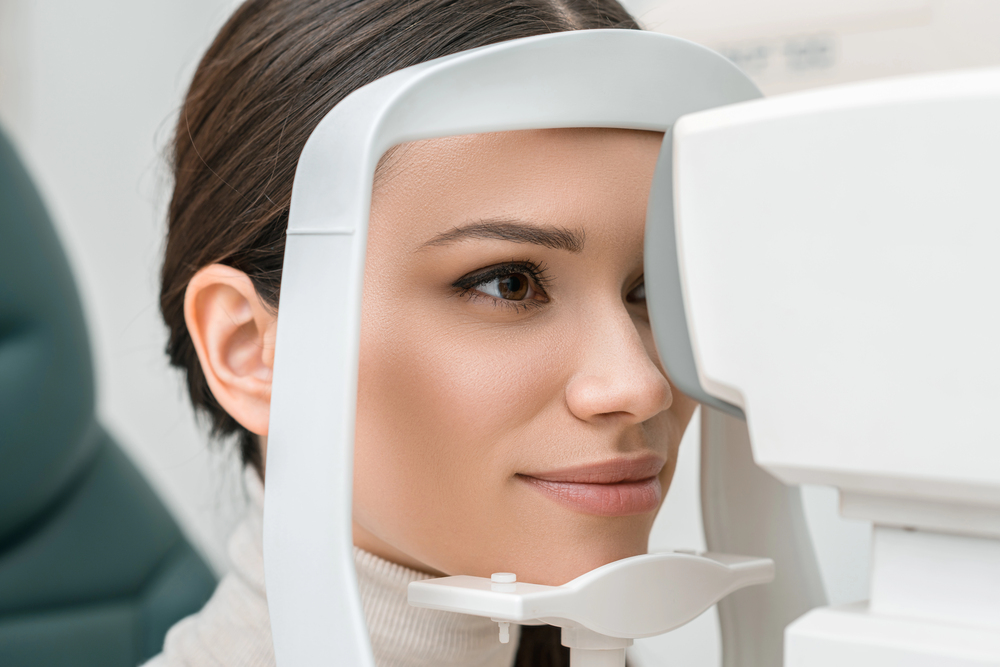
When was the last time you had a complete eye exam? Many people wait until they notice vision changes, but comprehensive eye exams do far more than update your prescription. These thorough evaluations catch early signs of serious conditions like glaucoma, diabetic retinopathy, and macular degeneration, often before you experience any symptoms. In Tulsa, comprehensive eye exams combine advanced diagnostic technology with personalized care to protect your vision and overall health.
Whether you're choosing your first optometrist or it's been years since your last exam, understanding what happens during a comprehensive eye exam helps you make the most of your visit. This guide walks you through the entire process, from the tests you'll receive to how often you should schedule exams at different life stages.
What Is a Comprehensive Eye Exam?
A comprehensive eye exam is a complete evaluation of your vision and eye health performed by a licensed optometrist or ophthalmologist. Unlike a basic vision screening at school or the DMV, a comprehensive exam examines the internal and external structures of your eyes to detect disease, assess how well your eyes work together, and determine whether you need corrective lenses.
Optometrists in Tulsa use specialized equipment to evaluate more than just how well you see. They check for signs of diabetes, high blood pressure, autoimmune disorders, and even some cancers that show early indicators in the eyes. This is why comprehensive eye exams are considered an essential part of preventive healthcare, not just a way to get new glasses.
The exam typically takes 30 to 60 minutes and includes multiple tests that measure different aspects of your vision and eye health. Most insurance plans, including VSP, EyeMed, and Medicare, cover annual or biennial comprehensive eye exams.
What to Expect During Your Comprehensive Eye Exam
Before Your Appointment
Your Tulsa optometrist will ask about your medical history, current medications, and any vision concerns. Bring your current glasses or contact lenses, a list of medications you take, and your insurance card. If you wear contact lenses, you may be asked to remove them before certain tests.
Tell your eye doctor about any changes you've noticed: blurred vision, difficulty seeing at night, eye strain, headaches, or seeing floaters or flashes of light. Even minor symptoms can provide important clues about your eye health.
The Exam Process: Step by Step
Visual Acuity Testing
Visual acuity testing measures how clearly you see at various distances. You'll read letters on a chart (the familiar Snellen chart with the large "E" at the top) while covering one eye at a time. This establishes your baseline vision and helps your optometrist determine if you need corrective lenses. Results are expressed as fractions like 20/20 or 20/40, where 20/20 represents normal vision.
Refraction Assessment
Refraction testing determines your exact prescription for glasses or contact lenses. Your optometrist will use a phoropter (the large instrument with multiple lenses) and ask you to compare pairs of lenses: "Which is clearer, one or two?" This process identifies the lens power that gives you the sharpest vision. Refraction testing addresses nearsightedness, farsightedness, astigmatism, and presbyopia (age-related difficulty focusing on close objects).
Eye Muscle Movement Test
Your optometrist will ask you to follow a moving object with your eyes to check how well your eye muscles work together. Proper eye alignment and coordination are necessary for depth perception and comfortable vision. Problems with eye muscle movement can cause double vision, eye strain, or difficulty reading.
Pupil Response Examination
The doctor will shine a light into your eyes to test how your pupils respond. Pupils should constrict quickly when exposed to light and dilate in dim conditions. Abnormal pupil responses can indicate neurological problems, certain medications' side effects, or damage to the optic nerve.
Visual Field Testing
Visual field testing maps your peripheral (side) vision to detect blind spots. You'll focus on a central point while indicating when you see lights or objects appear in your peripheral vision. Glaucoma, retinal problems, and brain tumors can create specific patterns of vision loss that this test reveals.
Intraocular Pressure Measurement
Measuring the pressure inside your eye (intraocular pressure) screens for glaucoma, a leading cause of blindness. The most common method is the "puff of air" test (non-contact tonometry), though some Tulsa optometrists use a tonometer that gently touches the surface of your eye after numbing drops are applied. Elevated eye pressure doesn't always mean you have glaucoma, but it's an important risk factor.
Dilated Eye Examination
For a complete view of the internal structures of your eye, your optometrist may use dilating drops that widen your pupils. This allows examination of the retina, optic nerve, and blood vessels at the back of your eye. Dilation effects last 4 to 6 hours, during which you may experience light sensitivity and difficulty focusing on close objects. Bring sunglasses to your appointment if dilation is planned.
Retinal Imaging
Many Tulsa optometrists use digital retinal imaging or optical coherence tomography (OCT) to capture detailed images of your retina. These images create a permanent record that helps track changes over time and can detect macular degeneration, diabetic retinopathy, retinal tears, and other conditions earlier than traditional examination alone.
How Often Should You Get a Comprehensive Eye Exam?
The American Optometric Association provides these guidelines for comprehensive eye exam frequency:
Children & Adolescents
- 6 months to 3 years: First exam at 6 months
- 3 to 5 years: At least one exam before starting school
- 6 to 17 years: Annual eye exams throughout school years
Adults
- 18 to 64: Every two years if no risk factors
- 65 and older: Annual comprehensive eye exams
- Contact lens wearers: Annual exams required
High-Risk Groups
- People with diabetes (annual dilated exams)
- Family history of glaucoma or macular degeneration
- Previous eye injuries or surgery
- Medications that affect vision
Benefits of Regular Comprehensive Eye Exams
Early Disease Detection
Comprehensive eye exams detect glaucoma, macular degeneration, cataracts, and diabetic retinopathy in early stages when treatment is most effective. Many serious eye diseases cause no symptoms until significant damage has occurred. Regular exams catch problems before you notice vision changes.
Glaucoma, for example, gradually destroys peripheral vision without pain or obvious symptoms. By the time you notice vision loss, permanent damage has occurred. Annual screening allows optometrists to detect elevated eye pressure and optic nerve changes years before vision loss begins.
Systemic Health Insights
Your eyes reveal signs of diabetes, high blood pressure, high cholesterol, autoimmune diseases, and some cancers. Optometrists in Tulsa often detect these conditions during routine eye exams, sometimes before other symptoms appear. Small changes in retinal blood vessels can indicate poorly controlled diabetes or hypertension, prompting earlier medical intervention.
Vision Optimization
Even if your vision seems fine, you may have uncorrected refractive errors causing eye strain, headaches, or fatigue. A proper prescription can eliminate these symptoms and improve your quality of life. Many people don't realize how much strain they're experiencing until they receive corrective lenses.
Cost and Insurance Considerations
Average Costs Without Insurance
In Tulsa, comprehensive eye exams typically cost between $50 and $250 without insurance, depending on the complexity of testing and whether specialized imaging (like OCT) is included. Contact lens exams typically cost $100 to $200 and include measurements and fitting in addition to the comprehensive eye exam.
Vision Insurance Coverage
Most vision insurance plans cover comprehensive eye exams annually or every two years. Common plans accepted by Tulsa optometrists include:
- VSP (Vision Service Plan): Usually covers annual exams with a small copay ($10 to $25)
- EyeMed: Covers exams annually or every 12 months with copays around $10 to $15
- Davis Vision: Annual exam coverage with varying copay amounts
- Medicare: Covers annual dilated eye exams for people with diabetes or at high risk for glaucoma
Finding the Right Optometrist for Your Exam
Choosing an optometrist who meets your needs ensures you receive quality care and feel comfortable during your exams. Consider credentials and experience, technology and services offered, insurance acceptance, location, and patient reviews.
Look for optometrists licensed in Oklahoma with Doctor of Optometry (OD) degrees from accredited institutions. Modern diagnostic equipment provides more accurate results and earlier disease detection. Ask whether the practice offers digital retinal imaging, optical coherence tomography (OCT), visual field testing equipment, and corneal topography.
Ready to Schedule Your Comprehensive Eye Exam?
Regular comprehensive eye exams protect your vision and overall health by detecting problems early and ensuring you see clearly at all distances.
Find a Tulsa Optometrist